


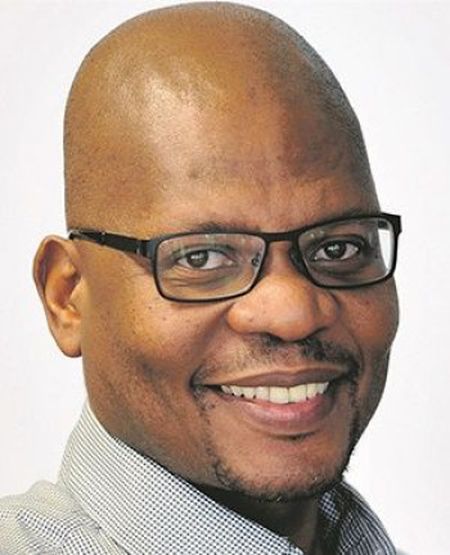
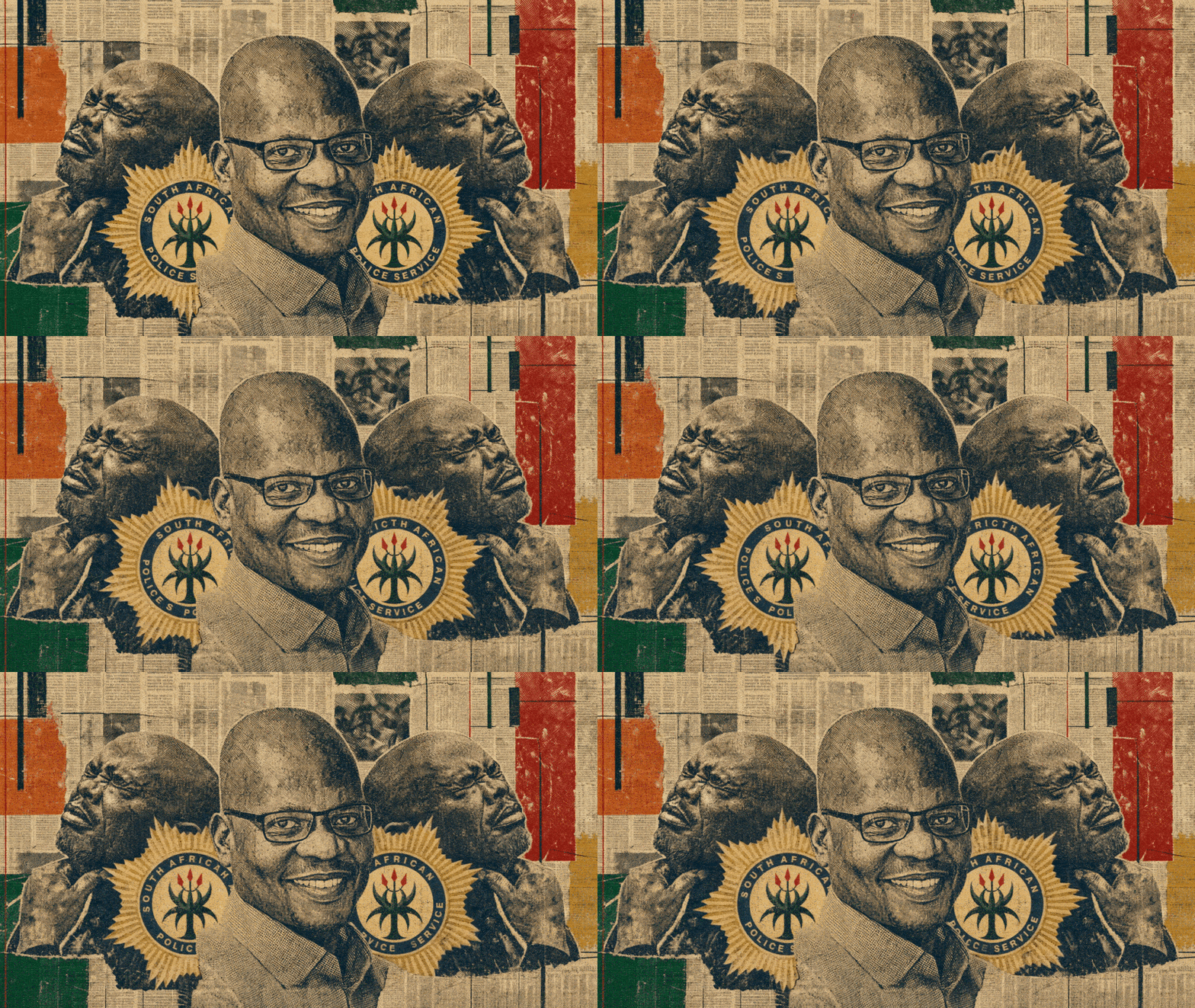
 Mondli-Shadrack Mondli Makhanya (Illustrative image: Bernard Kotze using Figma | ChatGPTimage2)
One might be easily tempted to compare the fall of veteran policeman Shadrack Sibiya to the disgrace of erstwhile National Commissioner Jackie Selebi. These were two powerful law enforcement officers who fell in with the bad crowd and threw away everything they had worked for their entire lives. Two feared men who collapsed into a heap of nothingness and ended their working lives as objects of ridicule and contempt.
But let us be careful and not read too much into the trajectories of the men’s careers. Selebi was a stalwart of the liberation struggle and one of democracy’s founding civil servants who was brought in to transform the apartheid police force. Sibiya joined the apartheid police in the 1980s when being a cop was akin to joining the enemy system, and he rose through the ranks of the transforming system that was led by a combined leadership of career police officers and liberation fighters. Selebi hated and was hated by the South African Police (SAP) that Sibiya gladly joined.
Selebi’s entry into police service was a political deft hand by newly elected President Thabo Mbeki. Having served the democratic government as an ambassador to the United Nations and then as head of the foreign service, Mbeki wanted a competent comrade who would fast-forward the transformation of a repressive police force into a democratic police service.
/file/attachments/orphans/7d4267207515b83f00ad645fb3f39ac3_381272.jpg "Jackie Selebi, the former head of South Africa's police force, looks on during his sentencing at a South African court in Johannesburg August 3, 2010. The court on Tuesday sentenced the country's former police chief to 15 years imprisonment after he was convicted of graft and became one of the most senior officials brought to justice for corruption. Selebi, a long-standing star in the ruling African National Congress (ANC) party and a former president of the international police body Interpol, had been found guilty last month of receiving bribes from a drug kingpin. (Photo: Reuters Werner Beukes / Pool (South Africa - Tags: CRIME LAW)")
The abrasive Selebi, one of the ANC’s brightest minds, was just the guy. His tenure in the job has been well documented but the short summary is that he did great until he didn’t. He was eventually captured by the wily underworld and became the domesticated pet of some really terrible individuals. His mission of creating a world class crimefighting force was compromised by greed. In the end he was convicted, served a jail term that was cut short by illness, and died in disgrace.
Rising guile
Sibiya’s path to the top was initially through conventional means. He saw nothing wrong with joining the apartheid police force, believing that he just wanted to fight crime. There are no indications that he was drawn into the more nefarious works of the old SAP, which served as the bulwark of the oppressive regime. He was just a black guy swelling the ranks.
His star rose in the post-apartheid era, when career policemen had a better chance of upward movement than the former liberation guerrillas whose skill was firing AK-47s rather than chasing tsotsis and investigating sophisticated crooks. A bright guy, he used guile to get to the top ranks of the South African Police Service. He was not necessarily the best cop in town but he knew how to manipulate the political networks to advance his career.
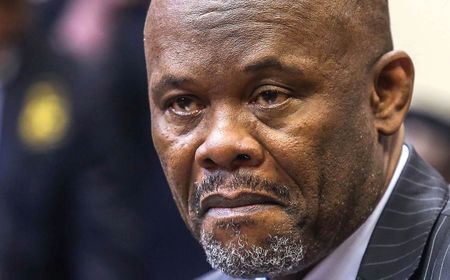
He used his networking skills to demonstrate that he was ahead of others in getting the job done. In many instances he proved his worth and was rewarded with even more important assignments. He became one of the key investigators in the Scorpions, disbanded by the Jacob Zuma lot for its no-nonsense approach to investigating corruption and other sophisticated criminality.
In the post-Scorpions era he headed the Hawks in the all-important economic hub of Gauteng. But, unbeknown to many, he was already in the pockets of the criminal element. He was doing favours for and receiving favours from underworld figures. He drove the best cars, bought properties and lived the high life.
/file/attachments/orphans/Nonku-Shadrick-VictimsMAIN_684549.jpg "Former Deputy National Commissioner for Crime Detection, Shadrack Sibiya appears at Randburg Magistrate's Court for further bail hearing on October 14, 2026 in Randburg, South Africa. Sibiya is accused of sexually grooming a 16-year-old girl and raping an 18-year-old woman. (Photo: Gallo Images / Sharon Seretlo)")
The greatest affirmation Sibiya earned was being fired by Zuma’s acolytes alongside a good cop, Hawks head Anwa Dramat. Being a victim of Zuma’s purge burnished his image.
So when the then Johannesburg mayor Herman Mashaba hired the already suspect Sibiya as head of the newly established anti-corruption unit he declared that “is exactly his no-fear-or-favour approach to his work that has resulted in my interest in having Mr Sibiya head up our investigation unit within the city… I have total confidence in Mr Sibiya. He possesses the integrity, experience and courage to perform this role in a fashion that will restore hope among our residents again.”
Even in the city the corrupt elements hounded him, not realising he was a bird of the same feather.
Sibiya won his Labour Court case and was reinstated into the SAPS, where he rose very fast under the stewardship of the then police minister, Bheki Cele. Their relationship was suspect, with Sibiya seemingly wielding undue influence over the political authority. It is still a mystery how he managed to do so but police insiders say the two knew and know a lot about each other’s after-dark activities. Had Cele remained police minister, Sibiya would have been a shoo-in for national head of the Hawks and, some suspect, even national commissioner.
Cele’s departure, however, did not hurt Sibiya. His amazing guile then massaged Senzo Mchunu, the successor to the hatted man. For all intents and purposes he became even more powerful. The Madlanga Commission of Inquiry into malfeasance in the criminal justice system has heard as much. We now know more about the character of Sibiya. His confessions about his sexual urges and his choice of eateries say everything about this Bible-punching, church-going man.
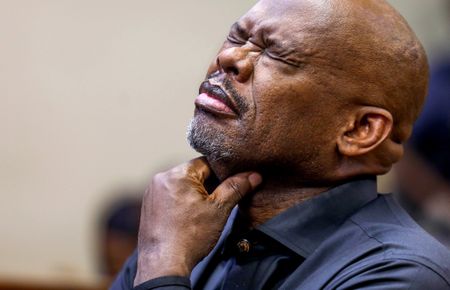
So, as we analyse the fall of Sibiya, we should think about the bullet we dodged. He could have been head of the Hawks, the nerve centre of our crime-fighting forces. Think about it: it was either him or Feroz Khan. How scary is that?
He could have been the head of the entire police service, one of THE most powerful positions in the land. He could have been the lead person in the fight against gender-based violence, while desiring 16-year-old girls and revelling in taking teenagers’ virginity.
Let us also think of that farm in the north of Pretoria, to which so many of our politicians and law enforcers reported. Jotham Msibi may be dead but his lieutenants are still there, in charge and in control. Sibiya is gone but the underworld still wields a lot of power. DM
Comments
Scroll down to load comments...